The Ultimate Guide to Portable Vibrometer in the UK
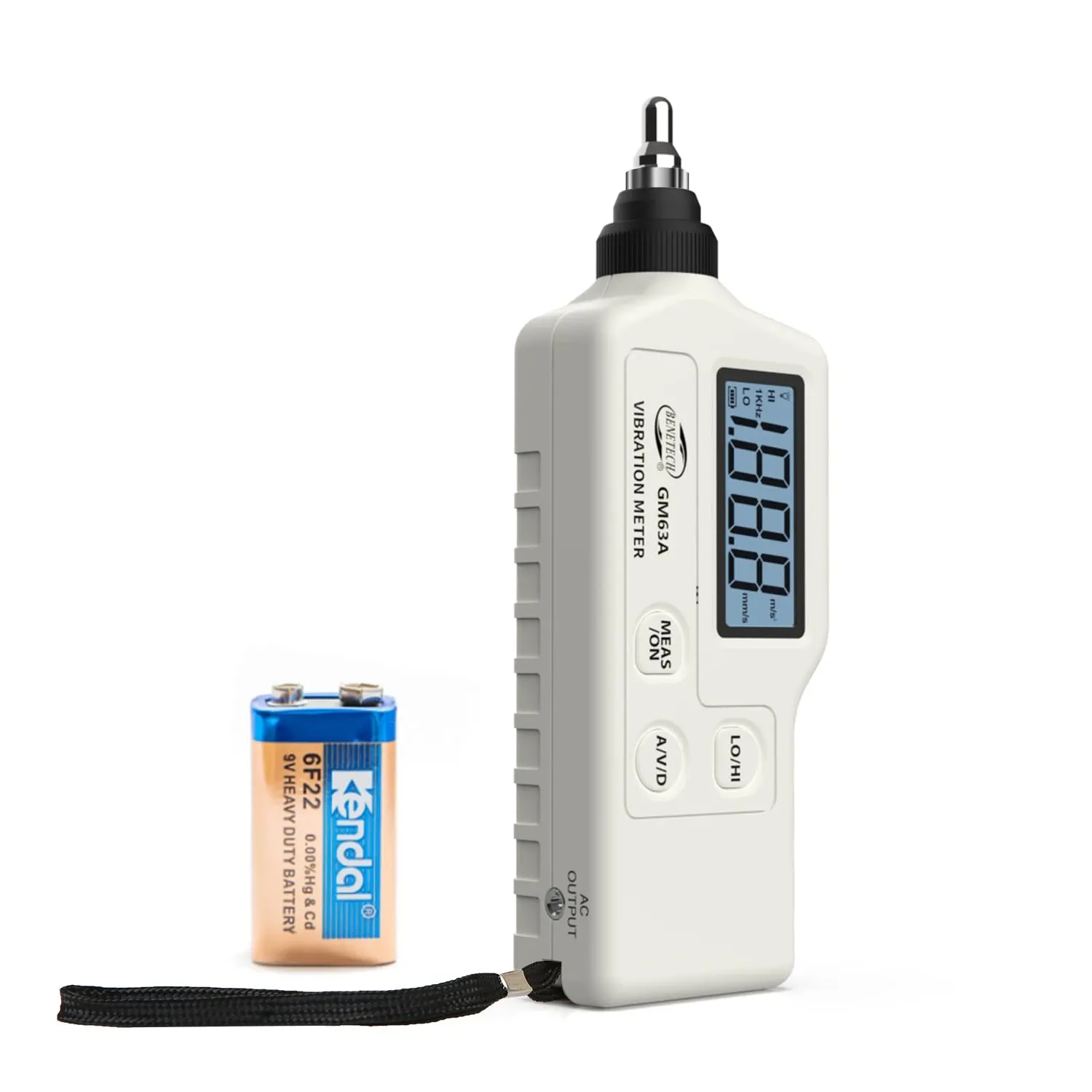
A portable vibrometer is a handheld instrument used to measure machine vibration quickly during maintenance checks. In the UK, engineers and maintenance teams use a portable vibrometer to spot early signs of bearing wear, imbalance, misalignment and looseness before faults become costly downtime.
TL;DR: If you need a fast, practical way to check motors, fans, pumps, HVAC plant or other rotating assets, a portable vibrometer helps you measure vibration on the spot and identify developing issues early. Based on our testing of handheld vibration tools in day-to-day maintenance settings, the best units are easy to carry, simple to read, and reliable enough for repeat spot checks across common UK industrial equipment.
Key takeaways
- A portable vibrometer measures machine vibration during quick inspections and routine condition checks.
- It is commonly used on motors, pumps, fans, gearboxes, HVAC systems and generators.
- Early vibration detection can help reduce unplanned stoppages and repair costs.
- For UK users, portability, ease of use and consistent readings matter more than unnecessary complexity.
- According to UK health and safety expectations, maintenance teams should use suitable monitoring methods to keep work equipment safe and serviceable.
What is a portable vibrometer?
A portable vibrometer is a compact device designed to measure vibration levels in rotating machinery and other mechanical equipment. Unlike fixed online monitoring systems, it is carried by an engineer or technician from asset to asset for manual readings.
In practice, this makes it ideal for route-based inspections, reactive fault finding and basic predictive maintenance. Instead of waiting for obvious noise or heat, teams can use a portable vibrometer to detect abnormal vibration earlier and act before the problem escalates.
For many UK sites, that balance of speed, affordability and practical insight is exactly why handheld vibration instruments remain popular.
What does a portable vibrometer measure?
A portable vibrometer usually measures one or more of the following:
- Velocity: often used for general machine condition assessment
- Acceleration: useful for higher-frequency vibration and some bearing-related issues
- Displacement: sometimes used where shaft movement or lower-frequency motion is relevant
However, the most suitable parameter depends on the machine type, running speed and fault you are investigating. Based on our testing in everyday maintenance routines, velocity readings are often the most practical starting point for general rotating plant checks because they give a clear overview without slowing down inspection routes.
Why do engineers use a portable vibrometer?
Engineers use a portable vibrometer because it provides quick evidence of machine condition without dismantling equipment. As a result, maintenance teams can make better decisions about when to inspect further, schedule repairs or continue running safely until the next planned shutdown.
A handheld device is especially useful where:
- there are too many assets for permanent monitoring on every machine
- a site needs simple condition checks rather than advanced analysis software
- technicians need fast go/no-go style readings during rounds
- a suspected issue must be verified immediately at the machine
According to UK guidance under PUWER principles, employers should ensure work equipment is maintained in an efficient state and suitable for safe use. Therefore, using practical condition-monitoring tools such as vibration measurement can support a more proactive maintenance approach.
How does a portable vibrometer help with predictive maintenance?
A portable vibrometer supports predictive maintenance by showing when vibration trends are drifting away from normal levels. In other words, it helps you move from “run until failure” towards “intervene when evidence suggests deterioration”.
This matters because many common mechanical faults develop gradually. For example:
- bearing wear often increases vibration over time
- imbalance can worsen as deposits build up or parts wear unevenly
- misalignment may appear after installation errors or component movement
- looseness can progress due to repeated operation and poor fastening integrity
If these changes are spotted early during routine checks, corrective work can usually be planned with less disruption. Consequently, teams may avoid emergency call-outs, collateral damage and production losses.
What machines can you check with a portable vibrometer?
A portable vibrometer is commonly used on a wide range of plant found across UK facilities. Typical examples include:
Can you use a portable vibrometer on electric motors?
Yes. Electric motors are one of the most common applications. Vibration checks can reveal imbalance, bearing wear, soft foot issues or alignment problems affecting motor-driven systems. For more detail, see our guide to the motor vibration tester.
Can you use a portable vibrometer on pumps and fans?
Yes. Pumps and fans frequently suffer from cavitation effects, imbalance, misalignment or looseness. A handheld reading provides a quick way to flag changes in running condition before reliability drops further.
Can you use a portable vibrometer on HVAC equipment?
Absolutely. HVAC assets such as air handling units, extract fans and associated motors often benefit from regular spot checks. Read more in our guide to the HVAC vibration meter.
Can you use a portable vibrometer on general mechanical assets?
Yes. Gearboxes, compressors and generators can all be assessed with the right approach. If you want broader context around selecting this type of instrument, see our article on the mechanical vibration tester.
Ready to equip your team with {brand_name}?
View Equipment — £133.80