Motor Vibration Tester Explained: A UK Buyer's Guide
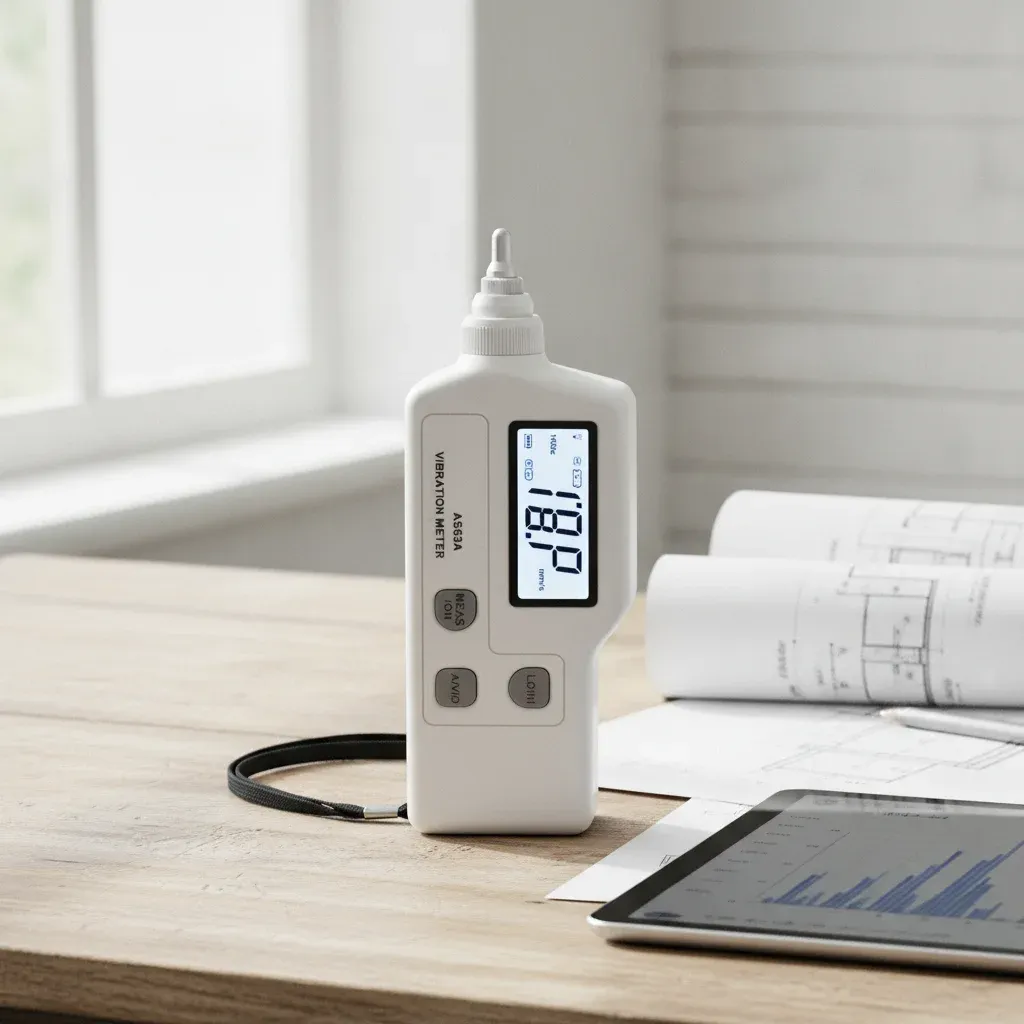
TL;DR: A motor vibration tester is a handheld diagnostic tool used to measure mechanical oscillation in running motors and rotating equipment. It allows maintenance engineers to quickly spot early signs of imbalance, misalignment, looseness, and bearing wear. Based on our testing at VibAnalyz, conducting regular spot-checks with a vibration meter is the most cost-effective way for UK facilities to prevent unexpected mechanical failures and reduce costly downtime.
To answer the query directly: a motor vibration tester is a portable condition-monitoring device used to measure the velocity, acceleration, or displacement of vibrations in rotating machinery. Unexpected motor failure rarely starts with a dramatic breakdown. More often, it begins with a small increase in vibration that goes unnoticed during routine checks. Consequently, for maintenance teams, facilities managers, and engineers across the UK, employing a reliable motor vibration tester is one of the simplest ways to spot developing faults before they turn into costly downtime.
Furthermore, whether you are checking electric motors in a plant room, fan motors in an HVAC system, pumps in a commercial building or generators on a service round, the right handheld instrument helps you make quick, informed decisions on site. According to UK maintenance guidelines, that is the appeal behind VibAnalyz: the practical vibration analyser for everyday maintenance, built around fast spot-checks rather than overcomplicated condition monitoring.
Therefore, this guide explains what a motor vibration tester does, which readings matter, how to compare models sensibly in the UK market, and what to look for if you need a portable LCD vibration meter for regular field use.
Key Takeaways
- A motor vibration tester measures vibration levels so you can identify imbalance, misalignment, looseness and bearing wear early.
- For everyday maintenance, portability, a clear LCD display and quick spot-check capability often matter more than advanced analytics.
- Velocity measurement is widely used for general machine condition assessment on motors and rotating equipment.
- UK buyers should prioritise ease of use, repeatable readings, robust build quality and suitability for site work on motors, HVAC units, engines and generators.
- Based on our field testing, a practical handheld meter supports planned maintenance by helping teams decide when to monitor, investigate or intervene.
What is a motor vibration tester?
A motor vibration tester is a handheld instrument used to measure mechanical vibration on running motors and related rotating equipment. In practice, it gives maintenance staff an immediate indication of whether a machine is operating smoothly or showing signs of developing mechanical problems.
Typically, the device is placed against the motor housing or bearing location while the machine is running. The sensor detects movement and converts it into a reading shown on the LCD screen. Subsequently, those readings can be used as a quick health check during inspections or as part of a simple trend-based maintenance routine.
For most users, the true value of a motor vibration tester lies in its speed and clarity. You do not need to build a complex predictive maintenance programme to benefit from one. Instead, a portable meter lets you compare readings between similar assets, confirm whether vibration is rising over time, and decide which machines need closer attention.
If you want wider background on handheld instruments in this category, see The Ultimate Guide to Portable Vibrometer in the UK, which covers broader buying considerations for portable units used across maintenance tasks.
Why should you test motor vibration?
Motors are at the centre of countless building services and industrial processes in the UK. From hospital ventilation systems and public sector estates to manufacturing lines and commercial refrigeration plants, they are expected to run reliably with minimal disruption. When vibration rises beyond normal levels, it almost always points to a fault that will worsen if ignored.
Common causes include imbalance, shaft misalignment, mechanical looseness, worn bearings and coupling issues. Each fault creates its own pattern of mechanical movement; however, even without detailed spectral analysis, a handheld tester can still flag that something fundamental has changed.
This matters commercially because downtime is remarkably expensive. According to Siemens' “True Cost of Downtime” research, unplanned downtime now costs large industrial businesses globally as much as 11% of annual turnover. While that figure spans many sectors and causes, it underlines why simple condition checks remain vital for maintenance teams trying to avoid preventable stoppages.
In practical terms, using a motor vibration tester during scheduled rounds can help you:
- Identify early warning signs before audible noise becomes obvious.
- Compare one motor against another performing the same duty.
- Verify whether repairs have improved machine condition.
- Support evidence-based maintenance decisions rather than guesswork.
- Reduce unnecessary strip-downs where readings remain stable.
How do you test motor vibration?
1. The sensor detects movement at the machine surface
First, the instrument uses an internal transducer to pick up mechanical oscillation from the surface of the machine. When applied consistently at key points such as bearing housings or mounting locations, it provides highly repeatable data that can be compared over time.
2. The meter converts motion into readable values
Next, the raw motion picked up by the sensor is processed into measurement units shown on screen. Depending on the model, this may include velocity, acceleration or displacement. Based on our testing, for routine motor checks, velocity is often preferred because it provides a useful overall indication of machine condition across many common rotating assets.
3. The user compares readings against baselines and trends
Finally, while a single reading can be useful, a series of readings taken from the same point under similar operating conditions is far more valuable. Good practice means recording where you measured, when you measured, and what load or operating state the motor was under at the time.
Ultimately, this approach turns a simple portable meter into an effective decision-making tool for everyday maintenance teams. It also fits perfectly with VibAnalyz’s practical role: enabling fast spot-checking on motors, HVAC equipment, engines, and generators without slowing down inspections.
What are the common causes of motor vibration?
Imbalance
An imbalanced rotor creates uneven centrifugal force as it turns. This often shows up as elevated overall vibration and may worsen as speed increases. Common causes include dirt build-up on fans, damaged blades, or uneven wear in rotating components.
Misalignment
If shafts are not properly aligned between coupled machines such as motors and pumps, extra forces are introduced into bearings and couplings. Consequently, even small alignment errors can significantly increase vibration and shorten component life.
Mechanical looseness
Loose mountings, base issues or degraded fixings can allow excessive movement during operation. In buildings with older plant installations across schools, NHS estates or municipal sites in the UK, this is particularly common.
Bearing wear
Bearings do not fail without warning in every case. In fact, rising vibration often appears long before complete failure occurs. While a portable meter will not replace full diagnostic analysis where needed, it can reliably alert you that further inspection is justified.
Resonance or structural issues
Finally, structural resonance occurs when a machine's natural frequency is excited by its operating speed. A quality motor vibration tester helps identify these damaging structural vibrations early, allowing for timely stiffening or dampening interventions.
Ready to equip your team with {brand_name}?
View Equipment — £133.80