Mechanical Vibration Tester Explained: A UK Buyer's Guide
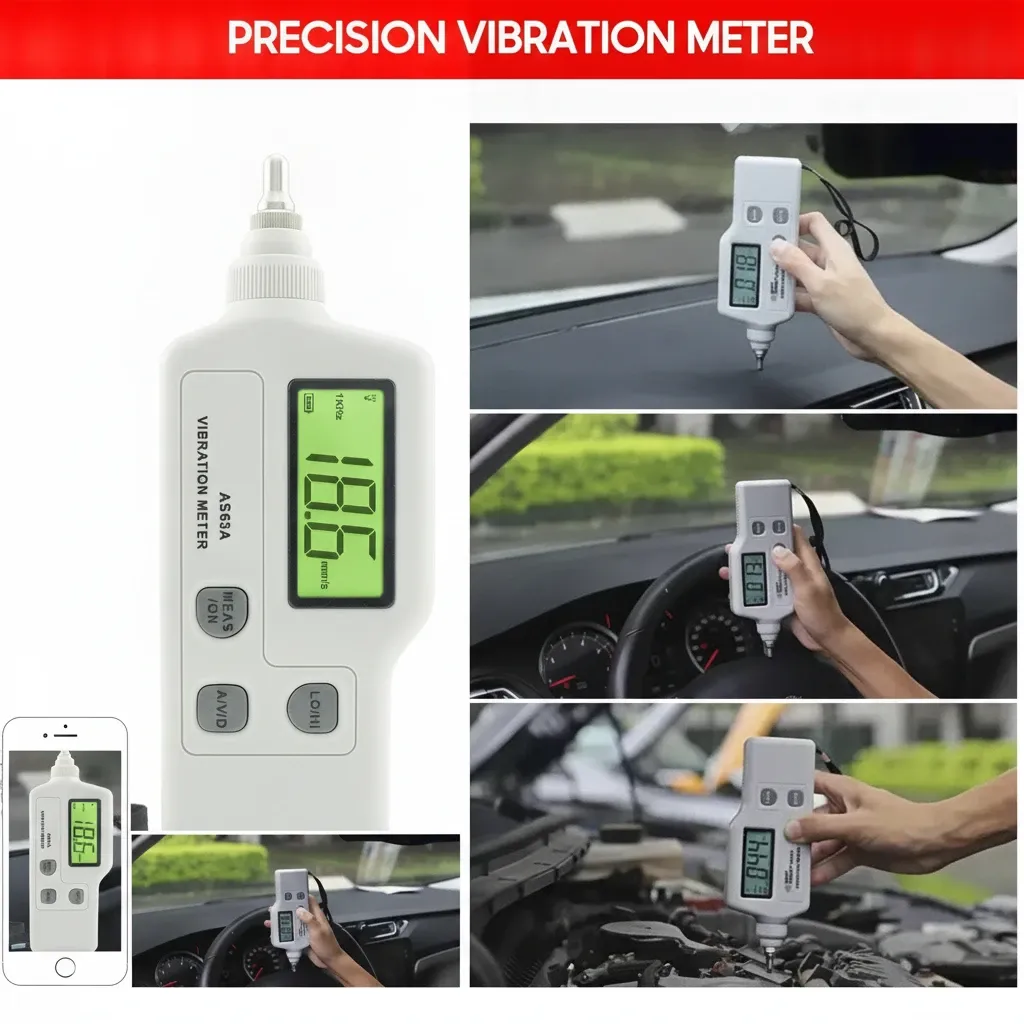
TL;DR: A mechanical vibration tester is a handheld instrument used to measure how much a machine vibrates, helping UK maintenance teams detect faults such as imbalance, misalignment, looseness and bearing wear before breakdowns occur. For most everyday checks on motors, pumps, fans, HVAC plant and generators, the most useful tester is portable, easy to read and able to measure velocity, acceleration and displacement.
A mechanical vibration tester measures the vibration of machinery so engineers can identify developing faults early and decide whether equipment is safe to keep running, needs closer inspection or should be repaired. In UK workshops, plant rooms, estates departments and service fleets, that matters because many failures begin with a change in vibration long before there is visible damage.
For engineers responsible for motors, HVAC assets, generators and engine-driven equipment, a practical handheld meter often offers the fastest route to useful condition checks. VibAnalyz focuses on that need: the practical vibration analyser for everyday maintenance, with a portable LCD vibration meter designed for quick spot-checks on motors, HVAC systems, engines and generators.
This guide explains what a mechanical vibration tester does, how it works, which specifications matter in the UK market, and how to choose one that suits real maintenance work rather than laboratory-only use.
Key Takeaways
- A mechanical vibration tester measures movement in machinery to help identify imbalance, misalignment, looseness and bearing wear.
- For most everyday maintenance tasks in the UK, portability, ease of reading and quick spot-check capability matter as much as headline technical specifications.
- The most useful handheld testers typically measure displacement, velocity and acceleration, allowing broader fault screening across motors, fans, pumps and generators.
- ISO 20816 is widely used as a reference point for machine vibration evaluation in industry.
- A good buyer should look at frequency range, sensor quality, display clarity, repeatability and suitability for field use.
- If your work centres on specific asset types, it can help to read our guides to the motor vibration tester and the HVAC vibration meter.
What is a mechanical vibration tester?
A mechanical vibration tester is an instrument used to measure the vibrational behaviour of machines and rotating equipment. In simple terms, it tells you how much a machine is shaking and often how fast or how sharply that movement is happening.
That information gives maintenance staff an early warning of faults. For example, a motor with increasing vibration may be developing imbalance. Likewise, a fan set may have looseness in its mountings, while a pump may show signs of misalignment or bearing deterioration. Without measurement, these issues are easy to miss until noise increases or failure occurs.
In day-to-day UK maintenance settings, the term usually refers to a portable handheld unit rather than a permanently installed monitoring system. Therefore, the appeal is straightforward: you can walk up to an asset, take a reading within seconds and compare it against previous checks or recognised condition limits.
Why does a mechanical vibration tester matter in everyday maintenance?
Not every site needs an advanced online condition monitoring network. Instead, many engineering teams simply need a reliable way to carry out routine inspections across multiple assets during planned rounds. That is where a portable LCD vibration meter becomes especially useful.
For estates teams in hospitals, universities and local authority buildings; contractors servicing HVAC systems; and facilities managers overseeing standby generators or pumps, quick spot-checking can improve decision-making without adding complexity.
What machines can you test with a mechanical vibration tester?
- Electric motors
- Fans and blowers
- Pumps
- HVAC plant including AHUs and condensers
- Diesel generators
- Compressors
- Engine-driven machinery
- Gearboxes and coupled rotating equipment
How does a mechanical vibration tester work?
Most handheld units use an internal sensor or probe arrangement based on accelerometer technology. When the tester is placed against the machine surface, it detects oscillating movement and converts that motion into electrical signals. The instrument then processes those signals into readable values on screen.
What does a mechanical vibration tester measure?
The most practical testers for maintenance work usually provide one or more of these measurements:
- Displacement – movement amplitude, often shown in micrometres. Useful at lower frequencies and for assessing shaft-related movement in some applications.
- Velocity – speed of vibrational movement, commonly shown in mm/s RMS. This is one of the most widely used measurements for general machine condition assessment.
- Acceleration – rate of change of velocity, often shown in m/s² or g. Helpful for detecting higher-frequency issues such as bearing-related faults or impacts.
Why is velocity often used for routine vibration checks?
Velocity measurements are commonly used because they provide a sensible broad picture of overall machine condition across many rotating assets. According to ISO 20816 guidance commonly referenced by UK engineers, whole-machine vibration severity is often assessed using velocity RMS values.
If your team carries out weekly or monthly inspections on standard plant equipment, velocity readings are often the first place to start. However, a tester that also offers acceleration and displacement gives you greater flexibility when investigating what changed and why.
What faults can a mechanical vibration tester detect?
Can it identify imbalance?
An unbalanced rotor creates uneven centrifugal force as it turns. As a result, vibration often rises with speed. Fans contaminated by dust build-up or worn impellers are common examples seen across UK commercial buildings and industrial sites.
Can it show misalignment?
Poor alignment between coupled machines can raise loads on bearings and couplings while increasing energy use. Therefore, vibration testing can flag changes early enough for corrective alignment during planned maintenance rather than after premature component failure.
Can it reveal mechanical looseness?
Loose hold-down bolts, degraded mounts or poor base rigidity may create erratic readings and worsening machine movement. In particular, this type of issue is relevant on older plant where repeated starts, stops or thermal cycling have taken their toll.
Can it help find bearing wear?
Bearing defects often begin subtly before becoming audible. A change in acceleration readings or an upward trend over time can indicate deterioration that deserves closer investigation. Based on our testing with portable field meters on common rotating assets, trend changes are often more useful than relying on one isolated reading alone.
How do you use a mechanical vibration tester correctly?
_The exact method depends on the instrument design; however,_ consistent technique matters if you want reliable comparisons over time.
A simple routine usually includes:
-
li>Select the same measurement point each time, such as the drive-end motor bearing housing.
li>
Ready to equip your team with {brand_name}?
View Equipment — £133.80